
ATE, fully known as Automated Test Equipment, is equipment that performs automated testing of functionality and performance after wafer and chip packaging. ATE equipment can perform parameter testing, functional testing, performance testing, fault detection, and reliability testing of chips, playing a vital role in the semiconductor manufacturing process.
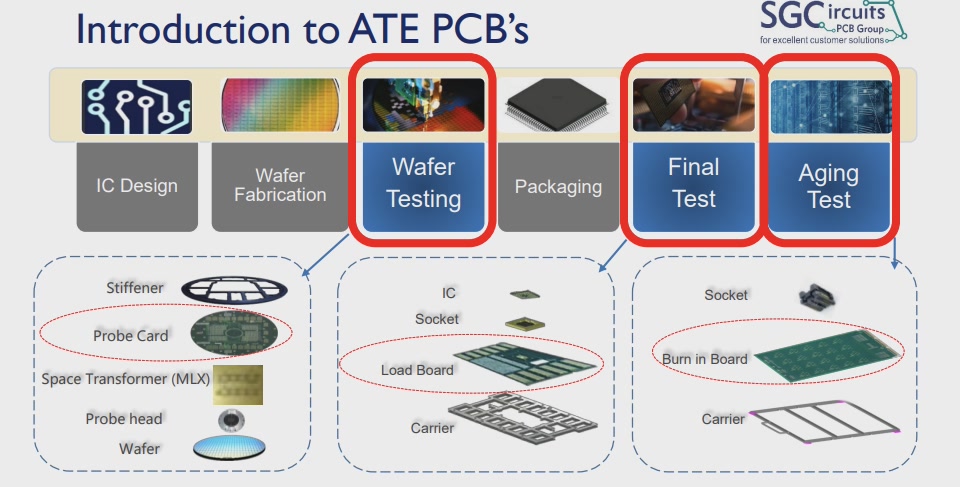
As shown in the figure above, different types of ATE testing machines require different ATE boards.
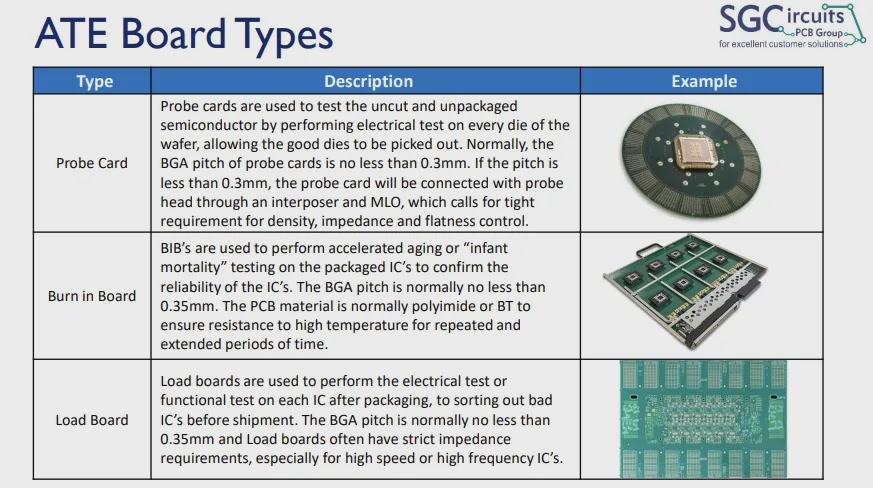
Probe Card: Probe cards are used to test uncut and unpackaged semiconductor devices. By performing electrical testing on each chip on the wafer, devices with parameters within the required range are selected for packaging.
Load Board: Load boards are used on Final Test equipment. Load boards are used to perform functional or performance testing on devices after packaging, screening out defective devices after packaging. For ICs with high-speed interfaces, the corresponding load boards usually have strict impedance requirements.
Burn-in Board (BIB): Burn-in boards are used for aging testing of packaged chips, such as thermal cycling or accelerated switching cycles, to expose early failure faults of devices. The PCB materials for burn-in boards must be able to withstand prolonged and repeated exposure to high-temperature environments, having extremely high reliability.
As integrated circuits (ICs) become smaller and more complex, the density and complexity of ATE test boards also increase accordingly.
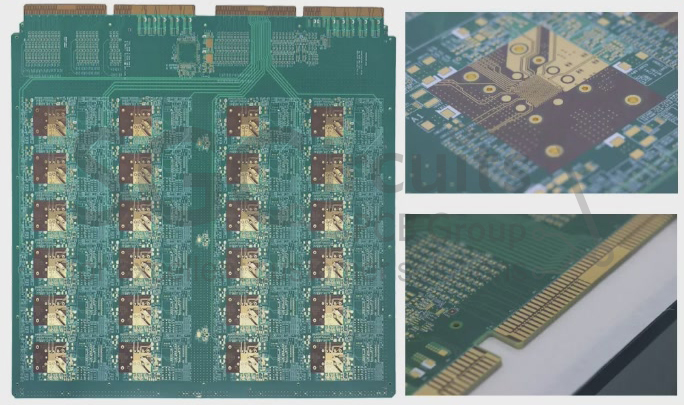
Load boards typically have more than 30 layers, BGA pitch is usually between 0.35 to 0.5mm, drill-to-conductor distance is less than 4mil, parallel test channels: 4 sites, 8 sites, to 16 sites. This puts forward higher requirements for PCB layer-to-layer alignment, drilling accuracy, copper plating under high aspect ratios, and resin plugging processes.
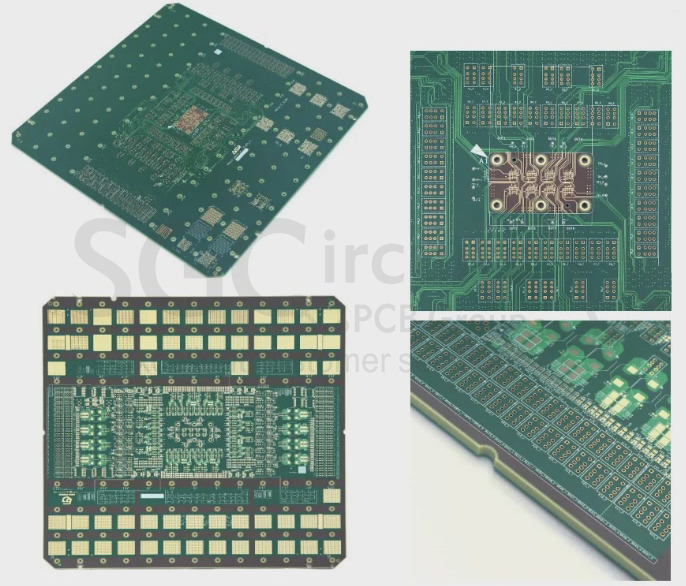
BGA pitch on Probe Cards is typically between 85-200μm, with high-end products ranging from 40-55μm. Fine lines approach packaging substrate levels. When lines exceed PCB process capabilities, MLO/MLC adapter boards using packaging substrate processes are required for transition before testing.

MLO Interposer
Flatness
Appearance Quality
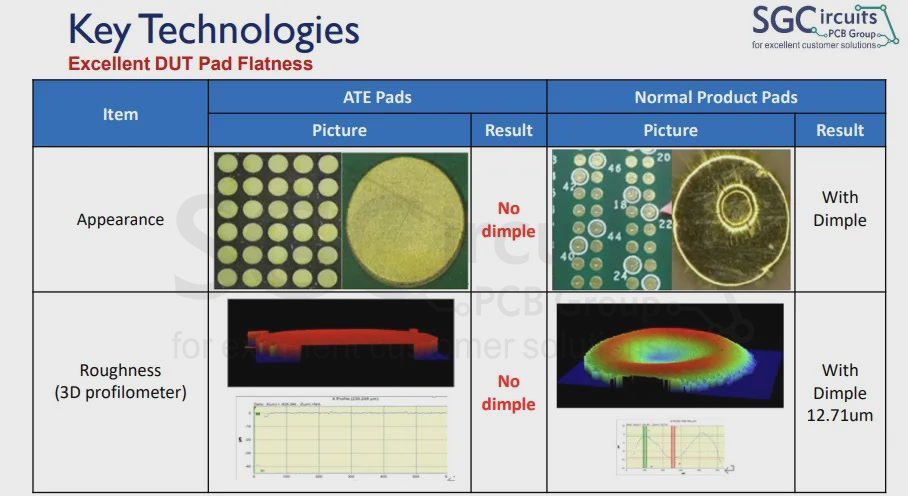
DUT Pad Flatness
Signal Integrity
High-end ATE boards require impedance tolerance of ±5%, and stub length below 8-12mil. Due to strict impedance requirements, plating, etching uniformity, and back-drilling process capabilities are all required to be very strict.
Focusing on the characteristics of ATE boards having small batch sizes but requiring rapid delivery, Sunshine PCB has established an efficient delivery process. From DFM communication before manufacturing, engineering preparation, and material preparation, to dedicated production lines during manufacturing and after-sales service after order shipment, we fully meet the cycle requirements of chip R&D and design.
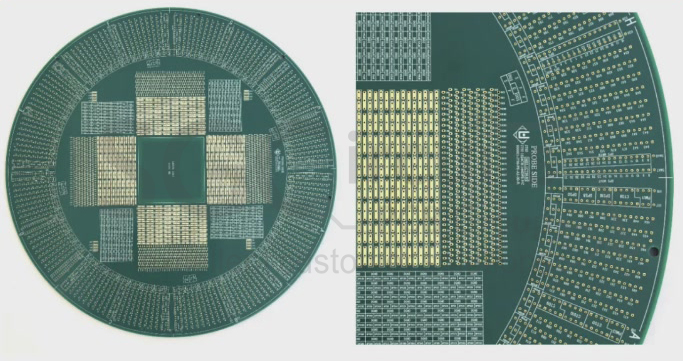
Sunshine PCB ATE Series Boards Introduction
 WeChat